How Guidewire Engineering Runs Multi-Cluster Kubernetes for Global Data Sovereignty
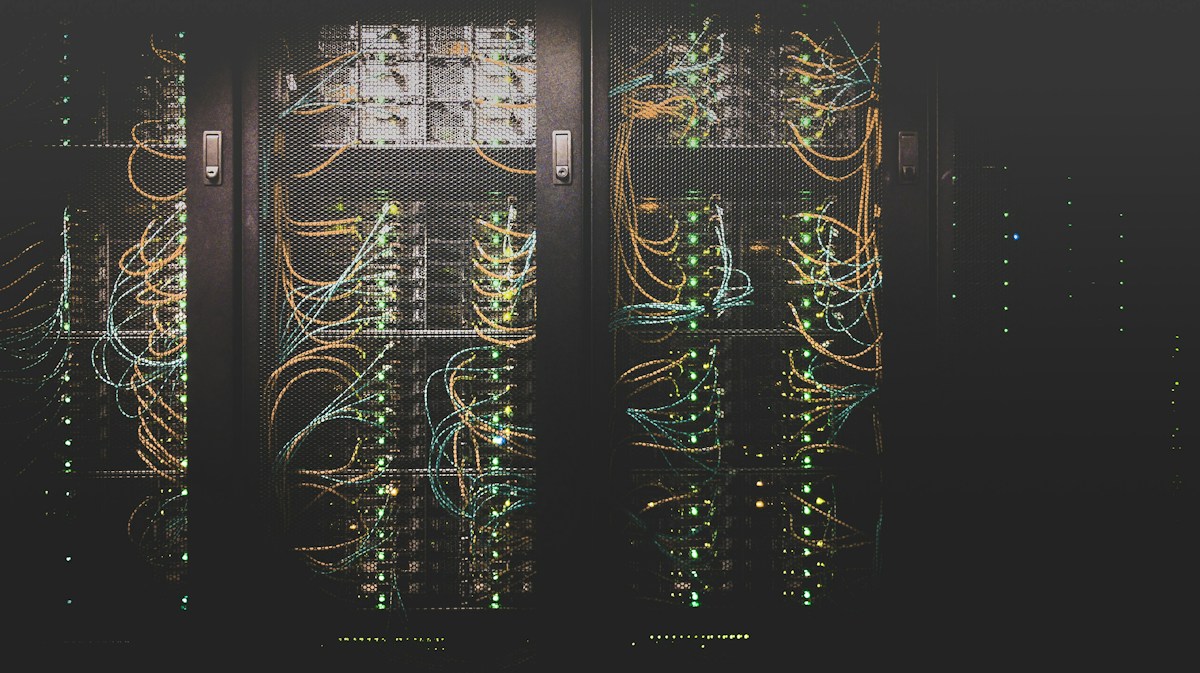
A behind-the-scenes look at how the Guidewire Cloud Platform (GWCP) engineering team orchestrates multi-cluster Kubernetes across AWS regions to meet strict European, Canadian, and APAC insurance regulations.
One of the coolest parts of reading the Guidewire Engineering Blog is seeing how a 20-year-old enterprise insurance powerhouse re-invented itself as a cloud-native Kubernetes shop.
Running a consumer SaaS app on Kubernetes is one thing. Running core systems of record for regulated Property & Casualty insurers across dozens of countries—each with strict data sovereignty and financial authority mandates—is a whole different engineering puzzle.
Why One Giant Cluster Never Works in Insurance
When a European insurer in Poland, Germany, or France moves PolicyCenter and ClaimCenter to Guidewire Cloud Platform (GWCP), regulators (under GDPR, DORA, and national BaFin/KNF guidelines) care deeply about two things:
- Data Residency: Policyholder PII, claim medical records, and billing ledgers must never leave the designated geographic region—not even in backups, logs, or control-plane metadata.
- Blast-Radius Isolation: A noisy batch renewal job at one carrier must never impact FNOL API latency for another carrier.
The GWCP Multi-Cluster Architecture
To solve this, Guidewire Engineering combines hybrid tenancy models with declarative multi-cluster Kubernetes orchestration on AWS (EKS):
- Control Plane vs. Workload Clusters: Management tooling, GitOps controllers (Argo CD), and observability pipelines operate with regional federation so operational telemetry stays compliant with local sovereignty laws.
- Namespace & Node-Group Isolation: Core InsuranceSuite pods (PolicyCenter, ClaimCenter, BillingCenter) run in isolated tenant namespaces with dedicated compute node groups, network policies (Cilium/Calico), and AWS IAM Roles for Service Accounts (IRSA).
- Dynamic Autoscaling for Catastrophe Events: When a major hailstorm or hurricane hits, ClaimCenter read/write pods and Kafka consumer workers scale horizontally within minutes to absorb the FNOL spike.
apiVersion: apps/v1
kind: Deployment
metadata:
  name: claimcenter-api-node
  namespace: tenant-nordic-prod
spec:
  replicas: 4
  template:
    spec:
      serviceAccountName: cc-irsa-role
      containers:
        - name: claimcenter
          resources:
            requests:
              memory: "8Gi"
              cpu: "2000m"
            limits:
              memory: "12Gi"
              cpu: "4000m"
Takeaways for Cloud DevOps Engineers
If you're interviewing for a DevOps or Platform Engineering role in the Guidewire ecosystem, brush up on Kubernetes operators, Helm/Argo CD GitOps workflows, AWS Aurora PostgreSQL tuning, and OpenTelemetry. Modern Guidewire delivery is 100% cloud infrastructure as code!
Francesco
Contributor to GWDEVS — Unofficial Guidewire Community, News Site and Job Board.